 If you’re not familiar with window 7 keyboard shortcut then you are missing out on an easy way to be more productive.
With the standard windows 7 keyboard shortcuts you can increase your daily work  productivity web surfing significantly. Earlier versions of Windows operating system didn’t offer as many keyboard shortcuts, but Windows 7 has added a number of new keyboard shortcuts which make managing multiple windows fun and easy.
Notebooks.com has listed Windows 7 keyboard shortcuts for our readers which we find useful.
Ease of Access keyboard Shortcuts:
| Right Shift for eight seconds | Turn Filter Keys on and off |
| Left Alt+Left Shift+PrtScn (or PrtScn) | Turn High Contrast on or off |
| Left Alt+Left Shift+Num Lock | Turn Mouse Keys on or off |
| Shift five times | Turn Sticky Keys on or off |
| Num Lock for five seconds | Turn Toggle Keys on or off |
| Win + U | Open the Ease of Access Center |
Window logo Keyboard Shortcuts:
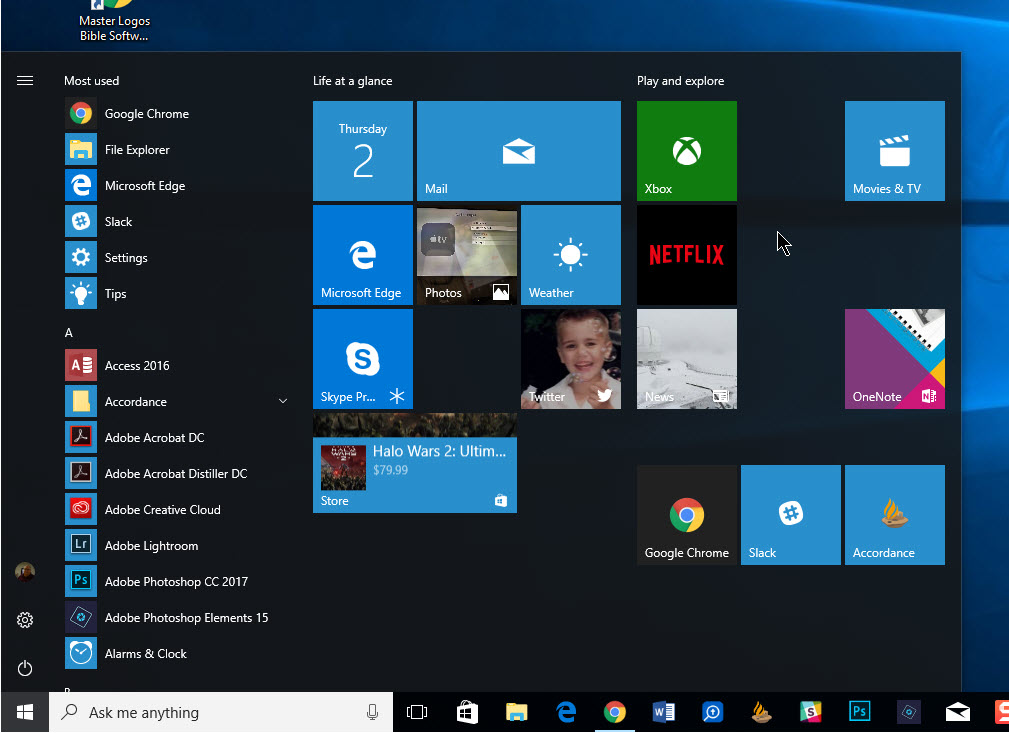
| Win | Open or close the Start menu |
| Win + Pause | Display the System Properties dialog box. |
| Win + D | Display the desktop |
| Win + M | Minimize all windows. |
| Win + Shift + M | Restore minimized windows to the desktop. |
| Win + E | Open Computer. |
| Win + F | Search for a file or folder. |
| Ctrl + Win + F | Search for computers (if you’re on a network). |
| Win + L | Lock your computer or switch users. |
| Win + R | Open the Run dialog box. |
| Win + T | Cycle through programs on the taskbar. |
| Win + Number | Start the program pinned to the taskbar in the position indicated by the number. If the program is already running, switch to that program. |
| Shift + Win + number | Start a new instance of the program pinned to the taskbar in the position indicated by the number. |
| Ctrl+Win + Number | Switch to the last active window of the program pinned to the taskbar in the position indicated by the number. |
| Alt + Win + number | Open the Jump List for the program pinned to the taskbar in the position indicated by the number. |
| Win + Tab | Cycle through programs on the taskbar by using Aero Flip 3-D. |
| Ctrl + Win + Tab | Use the arrow keys to cycle through programs on the taskbar by using Aero Flip 3-D. |
| Ctrl + Win + B | Switch to the program that displayed a message in the notification area. |
| Win + SpaceBar | Preview the desktop |
| Win + Up Arrow | Maximize the window. |
| Win + Left Arrow | Maximize the window to the left side of the screen. |
| Win + Right Arrow | Maximize the window to the right side of the screen |
| Win + Down Arrow | Minimize the window |
| Win + Home | Minimize all but the active window |
| Win + Shift+ left Arrow or right Arrow | Move a window from one monitor to another. |
| Win + P | Choose a presentation display mode. |
| Win + G | Cycle through gadgets. |
| Win + U | Open Ease of Access Center. |
| Win + X | Open Windows Mobility Center |
* Win stands for Windows key button
Dialog Box keyboard Shortcuts:
The following table contains keyboard shortcuts for use in dialog boxes.
| Ctrl+Tab | Move forward through tabs |
| Ctrl+Shift+Tab | Move back through tabs |
| Tab | Move forward through options |
| Shift+Tab | Move back through options |
| Alt+underlined letter | Perform the command (or select the option) that goes with that letter |
| Enter | Replaces clicking the mouse for many selected commands |
| Spacebar | Select or clear the check box if the active option is a check box |
| Arrow keys | Select a button if the active option is a group of option buttons |
| F1 | Display Help |
| F4 | Display the items in the active list |
| Backspace | Open a folder one level up if a folder is selected in the Save As or Open dialog box |
Window Explorer keyboard Shortcut:
The following table contains keyboard shortcuts for working with Windows Explorer windows or folders.
| Ctrl+N | Open a new window |
| Ctrl+W | Close the current window |
| Ctrl+Shift+N | Create a new folder |
| End | Display the bottom of the active window |
| Home | Display the top of the active window |
| F11 | Maximize or minimize the active window |
| Ctrl+Period (.) | Rotate a picture clockwise |
| Ctrl+Comma (,) | Rotate a picture counter-clockwise |
| Num Lock+Asterisk (*) on numeric keypad | Display all subfolders under the selected folder |
| Num Lock+Plus Sign (+) on numeric keypad | Display the contents of the selected folder |
| Num Lock+Minus Sign (-) on numeric keypad | Collapse the selected folder |
| Left Arrow | Collapse the current selection (if it’s expanded), or select the parent folder |
| Alt+Enter | Open the Properties dialog box for the selected item |
| Alt+P | Display the preview pane |
| Alt+Left Arrow | View the previous folder |
| Backspace | View the previous folder |
| Right Arrow | Display the current selection (if it’s collapsed), or select the first subfolder |
| Alt+Right Arrow | View the next folder |
| Alt+Up Arrow | View the parent folder |
| Ctrl+Shift+E | Display all folders above the selected folder |
| Ctrl+Mouse scroll wheel | Change the size and appearance of file and folder icons |
| Alt+D | Select the address bar |
| Ctrl+E | Select the search box |
| Ctrl+F | Select the search box |
For more keyboard shortcuts to stay productive check out Notebooks.com’s Browser Keyboard shortcut guide.
Image via orangeacid
Related Posts
-

Whether you've been a longtime Mac user or just recently made the switch, a guide…
-

Here are the steps to take in order to fix Mac keyboard keys that have…
-
The Windows 10 Start Menu looks a lot like the one that came with Windows…